


Whoa!
So I was poking around extensions again last week, as one does when insomnia hits and curiosity wins. My instinct said to be skeptical—browser wallets promise the moon and often deliver a slippery slope of confusing approvals and surprise gas fees. Here’s the thing. Rabby stood out not because it shouted the loudest, but because it stitched together convenience and guardrails in a way that felt deliberate, not accidental.
Hmm… seriously, the first impression mattered. The UI is clean without being dumbed down, which matters if you do swaps on multiple chains and don’t want to squint at tiny warnings. Initially I thought it would be another pretty face; but then I dug deeper and found features that actually change how you approach approvals and cross-chain interactions. Actually, wait—let me rephrase that: I didn’t find magic, I found pragmatic design choices that reduce friction and risk, which for me is worth a lot.
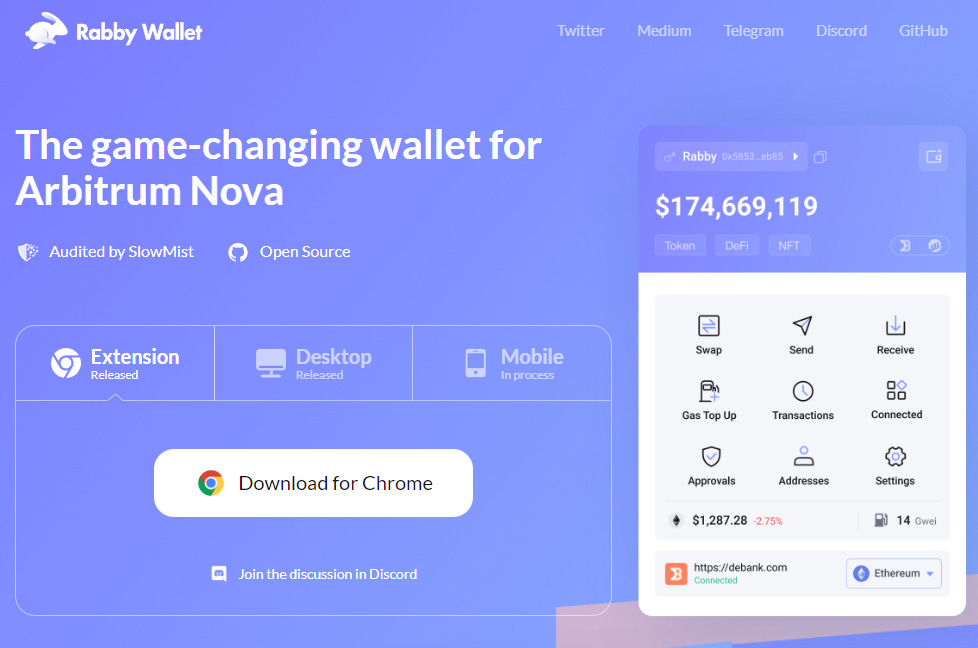
Here’s the thing. Multi-chain wallets are tricky because they have to act like a dozen different wallets at once while keeping the average user from accidentally signing something dumb. Rabby approaches that by making approvals and transaction previews more visible, and by surfacing where the gas is really going (not just a raw number). That might sound small, but in practice it saves headaches and—if you ask me—stops a few heart-sink moments when a token transfer or approval shows an unexpected cost.
Real-world uses and small annoyances (that matter)
Okay, so check this out—I’ve used Rabby for moving assets across Ethereum L2s and a couple EVM chains, testing swaps and approvals. I’m biased, but I prefer wallets that let me audit allowances and cancel them without jumping through hoops. On one hand, some extensions bury approval history; on the other hand Rabby puts it in your face (which is good). On the third hand—yes, I know—there are still edge cases where a dApp can be confusing about the data it’s asking you to sign, so user vigilance is still required.
Whoa!
There are practical wins: hardware wallet integration that doesn’t feel kludgy, the ability to manage multiple accounts cleanly, and transaction simulation that explains what a call will do before you sign it. Those are medium-to-big quality-of-life improvements for anyone who moves between chains a lot. And honestly, somethin’ about the transaction preview calmed me when I almost signed a weird permit thing (oh, and by the way—double-check the “to” address). I learned by near-mistake, which is a better teacher than glossy UI alone.
My instinct said to keep one foot out of any new wallet until I tested it, and that instinct paid off. On the technical side, being able to tether a Ledger or similar device and still use the ergonomic interface of a browser extension is huge for usability, because you don’t have to compromise security for convenience. Also, Rabby doesn’t try to be everything for everyone; instead, it focuses on common pain points—approvals, cross-chain context, and transaction clarity—and that focus shows.
Really?
Yes, really. But hold up—no product is perfect. There were moments when some chain-specific tokens displayed weird decimals, or a swap route looked suboptimal compared to a dedicated aggregator. Those are rough patches that need ironing out. I’m not 100% sure how they prioritize chain integrations, and that bugs me a bit because sometimes bleeding-edge chains lag in UX polish.
How I recommend using Rabby (practical tips)
First, keep a hardware wallet for large balances. Seriously. Second, use the approval manager to revoke allowances you no longer need—very very important, especially for newly minted tokens and strange dApps. Third, run small test transactions when connecting to a new dApp or chain (this is basic but you’d be surprised how often people skip it).
Initially I thought small tests were overcautious, but after accidentally approving a contract that looked innocent, my approach changed. Now I do a micro-send or a token view-only check first. On one occasion the transaction simulation flagged a multi-step contract call that the dApp UI didn’t make obvious, and that saved me from signing something I didn’t fully understand.
Hmm…
Also, if you want to try it without committing, you can install the extension and use a low-balance account for testing—no pressure and you get to learn the interface. If you decide to move forward, here’s where to go for a legit copy: rabby wallet download. Download from the official source to avoid imitation extensions pretending to be the real thing—phishing is real, and wallets are prime targets.
FAQ
Is Rabby safe for daily DeFi use?
Short answer: yes for the basics, but you still need good habits. Use hardware wallets for significant funds, check transaction previews, revoke unneeded approvals, and keep extension permissions minimal. Tools help, but they don’t replace caution.
Does Rabby support non-EVM chains?
Rabby focuses primarily on EVM-compatible chains and Layer-2 networks, which covers a broad swath of DeFi activity. If you rely on non-EVM ecosystems, you’ll need a different solution or a bridge workflow—just be mindful of added complexity and risks.
How does Rabby handle transaction simulation?
It attempts to show what a transaction will do before you sign, highlighting approvals and possible multi-step calls. That preview can reveal hidden token permits or unexpectedly high gas allocations, letting you abort before damage is done.
