

If you care enough to google how to drink without getting paralytically drunk, one odd piece of advice dominates search results. In 2015, Esquire conducted an interview with the co-founder and chairman of the Boston Beer Company, Jim Koch. Speaking of which, as the director of Health & Safety at the American Lifeguard Association explained to Mel Magazine, “Sun and alcohol don’t mix. People don’t realize the sun amplifies whatever intoxication you’re experiencing.” Preach. Again, another piece of counterintuitive advice — skip sunbathing and encourage everyone to take as much time as possible in the shade.
After the spike, your blood sugar levels drop which makes you feel tired and hungry again. It’s very common to struggle with fatigue and brain fog when you quit drinking. Alcohol changes the structure of the brain, which then changes how the brain functions.
- Undoubtedly, it’ll lead to a happier, healthier, and more fulfilling life.
- Sitting as drowsiness hits aggravates the feeling; you might as well lay your head down and sleep.
- This common reaction happens due to the way alcohol interacts with chemical messengers in the brain that regulate sleep and wake cycles.
- Alcohol can have a significant impact on individuals with CFS, as alcohol can exacerbate symptoms such as fatigue and cognitive dysfunction for many people.
Why Does Alcohol Make Me Sleepy? Tips for Managing Drowsiness and Improving Sleep Quality
To avoid tiredness after drinking beer, you could try consuming active yeast. Using Fleischmann’s yeast is highly recommended because it possesses Saccharomyces cerevisiae, a yeast strain that breaks down alcohol. Since the taste of dry yeast is not pleasant, mix it in with yogurt, and ingest it before drinking. Sleep doctors usually combine hops and valerian to assist those with sleep and anxiety problems. Therefore, the more hops in your beer, the more likely you’ll feel sleepy or tired.
What else happens to your body after you stop drinking?
A medically supervised detox is the first crucial step towards successfully quitting drinking. Following detox, inpatient treatment and therapies can help people identify and address the root causes of a drinking problem. Without this work, it’s often easy to return to the same bad habit. Many people feel tired when they stop drinking, whether that means after a night of over-indulging or in the early days of sobriety. These tips will help see you through the dreary days of sobriety fatigue and come out with another victory on top of quitting alcohol.
Tips for Managing Extreme Fatigue After Quitting Alcohol
However, there are ways to help overcome addiction, such as by going through alcohol detoxification and treatment to encourage sobriety. After drinking for a long time or heavily, another change happens in the brain. Even with the release of dopamine, you may not feel as good as before. That lack of positive energy is often related to the development of a tolerance, which then requires a larger amount of alcohol to trigger the same feel-good emotions. This is also the time when you’re most likely to get addicted, at least psychologically, to alcohol.

Many people report feeling surprisingly low in energy during the first couple of weeks. This is completely normal, your nervous system is still recalibrating. If you struggle with alcohol misuse, after an alcohol detox, your body will become deprived of an energy source, going into withdrawal. To double up on that, your body drug addiction treatment won’t have as much adenosine (touched on above) in it as before, which promotes sleep and relaxation. Sunset Alcohol Flush Support is designed to remove the toxic byproducts from alcohol in those with Asian Flush, or alcohol flush syndrome.
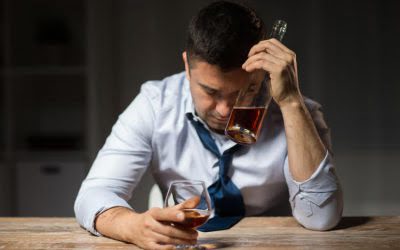
You won’t stop drinking simply because it makes you feel sleepy, but you can try to reduce the impact of alcohol on your body. While out drinking, get a bottle of water and place it next to you. Alternating between drinking beer and water will help you keep hydrated. By committing just 30 minutes a day, MyDry30 offers a simple way to overcome the exhaustion of quitting alcohol, improve your emotional health, and gain control over your drinking habits.

We’re here to help guide you to sobriety so you can get healthy and get best way to stop drinking back to your life. Call us today to learn more about how we can help and get on the path to healthier living. By doing these things, you’re setting yourself up for success during recovery. While you may be tired at first, you should start to see improvements over time as the symptoms of withdrawal abate. For long-term drinkers, it can be hard to quit with all these factors at play.
Can Serenity Light Recovery help me with sobriety fatigue?
Having a sleep routine helps keep your circadian rhythm working well and keeps sleep issues at bay. However, one of the major effects that alcohol has on the body is disrupting that rhythm. Alcohol may help you fall asleep, but once you move to sobriety, you start to feel the effects of that interrupted circadian rhythm. This can lead to difficulties falling and staying asleep and may cause insomnia, which can leave you with extreme fatigue during the day.
Which of the following statements apply to you?
Fatigue can last for days after a bad night’s sleep, and if chronic fatigue syndrome and alcohol abuse are experienced, post alcohol fatigue can last for months. When quitting alcohol, you will also feel the physical toll of alcohol withdrawal. Detoxification and the strain on your body’s systems, including your cardiovascular and digestive systems, require a lot of energy. This puts added stress on your body as it works hard to eliminate toxins and restore normal function.
You’ll meet hundreds of fellow Reframers in our 24/7 Forum chat and daily Zoom check-in meetings. Receive encouragement from people worldwide who know exactly what you’re going through! You’ll also have the opportunity to connect with our licensed Reframe coaches for more personalized guidance. Herbal teas, meditation, exercise, reading, and aromatherapy are excellent alternatives for relaxation without the negative effects of alcohol. Alcohol increases the production of GABA and inhibits glutamate, leading to initial drowsiness. However, it disrupts REM sleep, resulting in fragmented and poor-quality sleep.
